Information
Landmark: Stari Bar (Old Bar)City: Bar
Country: Montenegro
Continent: Europe
Stari Bar (Old Bar), Bar, Montenegro, Europe
Overview
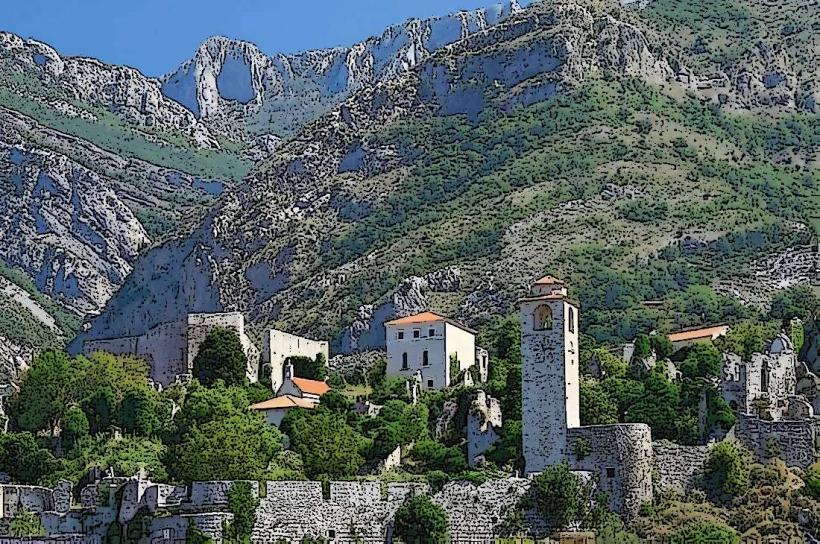
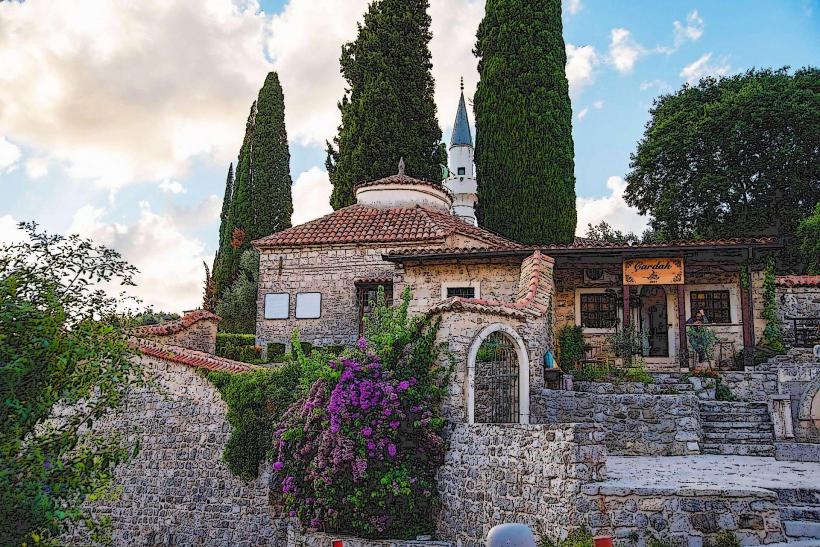
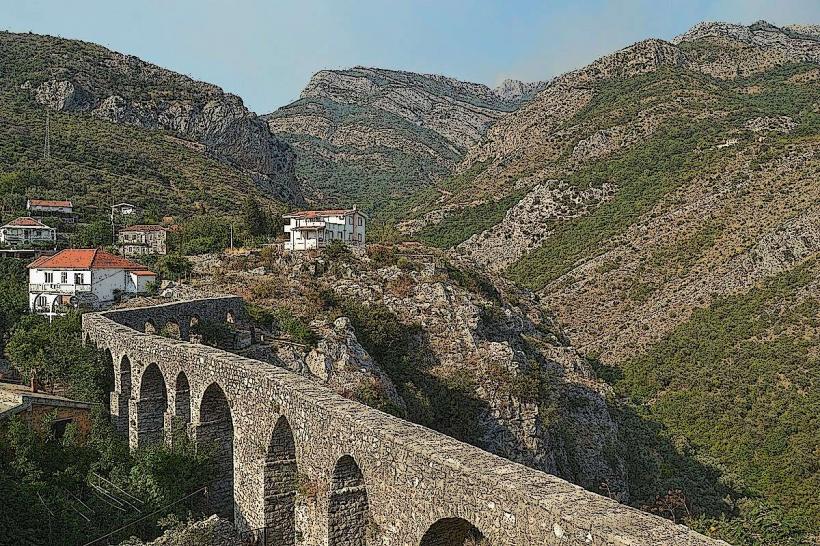
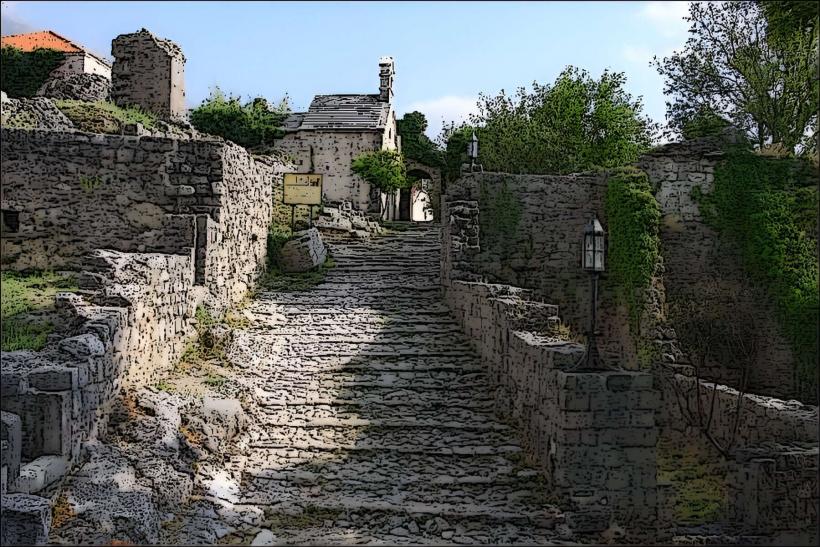
Stari Bar, or historic Bar, sits just outside the modern city of Bar in Montenegro, its weathered stone walls whispering stories from centuries past, simultaneously framed by the towering slopes of Mount Rumija, this ancient town pulls you into Montenegro’s rich past, where traces of Illyrian walls, Roman stones warm in the sun, and echoes of Byzantine, Venetian, and Ottoman rule still linger.Today, Stari Bar stands as a vibrant archaeological and cultural landmark, drawing visitors who wander among its crumbling stone walls and breathe in the scent of wild herbs on the breeze, besides historical Overview – Early Settlements: The Illyrians were the first to settle here, drawn by its commanding hilltop view that kept watch over trade routes and guarded against attack.Later, the Romans built a settlement here, shaping the region’s roads and aqueducts, while the clear, mineral-rich springs made Stari Bar perfect for farming and daily life, meanwhile in the 6th century, Emperor Justinian I ringed the town with strong stone walls to guard against barbarian attacks, turning it into a key military and administrative hub of the Byzantine Empire.By the 10th century, it thrived as part of the Serbian Kingdom, in conjunction with it grew into a lively center of trade and culture, its skyline rising with fresh churches and stone palaces.By the 14th century, the Venetian Republic had taken control, strengthening its walls to hold back Ottoman forces, also in 1571, the Ottomans seized Stari Bar, and the town’s character changed overnight.The Ottomans added mosques, hammams that steamed in the winter chill, and other hallmarks of their architecture, along with the town thrived as a key administrative hub, where Islamic arches stood beside Christian stonework.In 1979, a powerful earthquake shattered the aqueduct, cutting off the water that had sustained it for centuries, equally important when earlier waves of migration toward the coastal plain met this event, Stari Bar was left behind.Truthfully, Today, its weathered stone walls and silent archways stand as a testament to a rich, turbulent past, likewise spread over roughly 4.5 hectares, the site holds a mix of ruins and buildings that reveal its layered, multicultural history, roughly The town is wrapped in sturdy stone walls, punctuated by towers and gates from Byzantine, Venetian, and Ottoman eras, in conjunction with the main gate, a striking piece of medieval engineering, still ushers visitors into the heritage quarter.St, besides george’s Cathedral, built in the 11th century, later served as a mosque under Ottoman rule, while St, mildly Nicholas Church now lies in quiet ruin, moreover several Ottoman mosques once graced the streets, including one with a slender minaret that still rises against the sky.An aqueduct from the same period carried cool mountain spring water into the heart of town, meanwhile though the earthquake left its mark, sections of the aqueduct still stand, a quiet nod to the skill of Ottoman engineers, kind of The hammam’s crumbling walls speak of steam-filled rooms and the social rituals they once hosted, besides wandering through the site, you’ll find traces of homes, bustling marketplaces, and the aged administrative heart of the town.From what I can see, Bastions and watchtowers rise from the stone, offering sweeping views and once guarding every approach, meanwhile stari Bar’s ruins reveal a crossroads where cultures, faiths, and empires met, and their weathered stones embody both the resilience of the land and the people, partially Not surprisingly, Today, it remains a keeper of Montenegro’s layered past, drawing visitors to explore its fortifications, churches, and Ottoman-era streets at their own pace, consequently at key spots, informational plaques fill in the history, roughly From its high perch, Stari Bar opens to sweeping views of the Adriatic’s blue shimmer, the modern streets of Bar, and the jagged rise of Mount Rumija, to boot just beyond the gate, a bustling market spills over with olive oil, sweet figs, and handmade crafts.Festivals, concerts, and reenactments turn the ancient stones into a stage for Montenegro’s heritage, not only that you’ll find Stari Bar about 4 kilometers inland from modern Bar, easy to reach by car, taxi, or local bus.You’ll find a parking lot close to the entrance, and the site’s open every day, though hours shift with the seasons, while there’s a modest entrance fee that helps keep preservation work going.For the best experience, come in spring or autumn, when the air is mild and the paths are quiet, simultaneously ongoing restoration efforts keep the weathered stones steady, safeguarding the ruins for generations to come.Cracked walls and splintered beams still speak of the site’s fragility, a sharp reminder of why conservation matters, while in short, Stari Bar belongs on the list for history buffs, culture seekers, and anyone who wants to wander its weathered stone streets and feel Montenegro’s past come alive.Perched above the glittering Adriatic, its weathered stone walls and sweeping views make it both a cultural treasure of Montenegro and a vital piece of the nation’s history.
Author: Tourist Landmarks
Date: 2025-08-31